A Guide To Play Online Jackbox Game
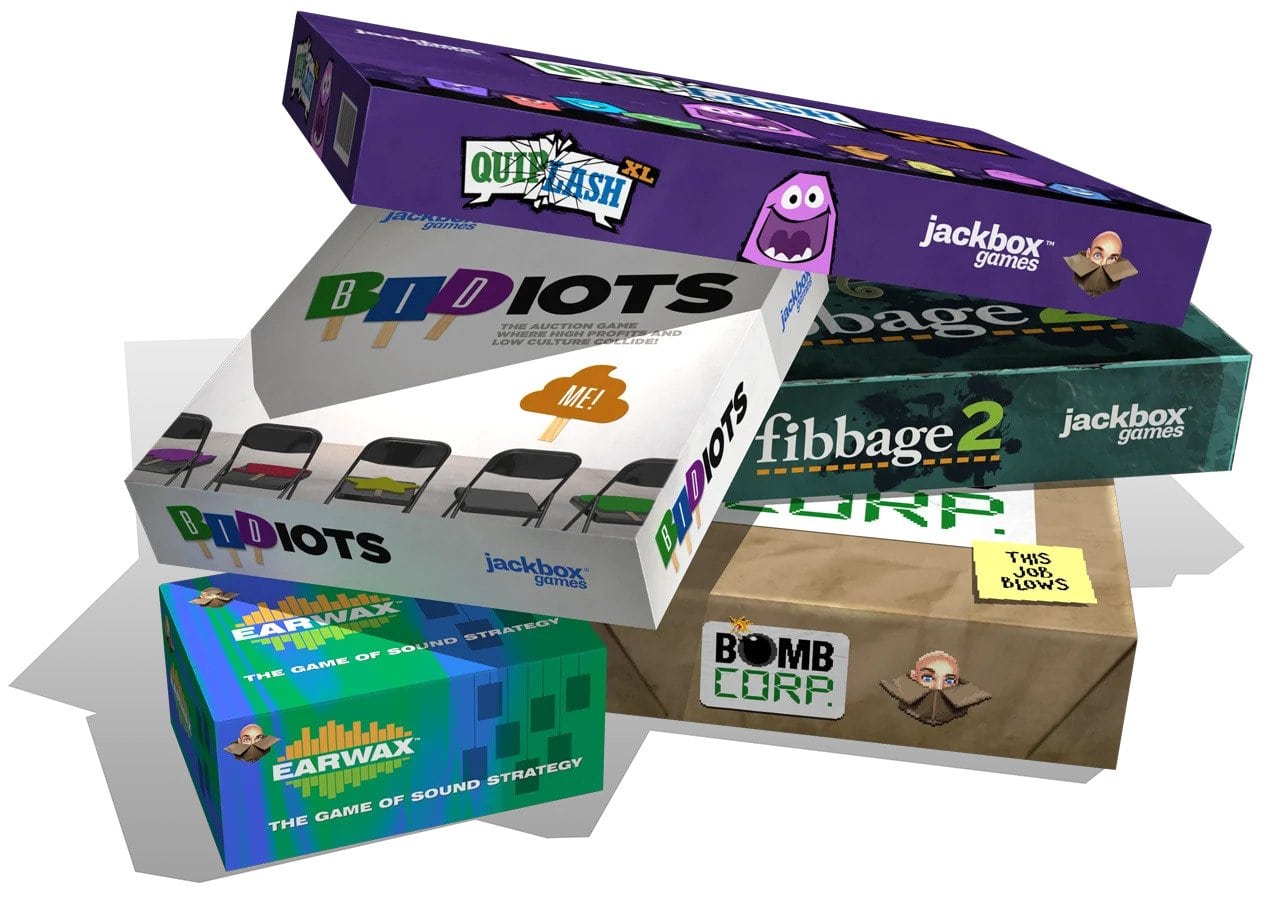
Few things have transformed the way people socialise online quite as effectively as Jackbox Games — the brilliantly designed collection of party games that turned the smartphone into the ultimate game controller and made it possible for groups of friends, families, and colleagues to play together across any distance with nothing more than an internet connection and a device with a browser. Whether played over a video call, streamed on a television, or shared through a screen-sharing platform, Jackbox games have become the go-to entertainment choice for virtual gatherings, remote team-building events, holiday celebrations, and any occasion where a group of people want to laugh together without being in the same room. The genius of the Jackbox model is its accessibility — one person owns the game, one person shares their screen, and everyone else joins from their own phone or tablet through a simple web address, with no additional purchases, downloads, or complicated setup required from the other players. But for all its accessibility, getting the most out of a Jackbox session — understanding which games work best for which groups, how to set up the experience smoothly, what the house rules and content settings mean, and how to keep energy high throughout the evening — rewards a little preparation. This guide covers everything needed to run a genuinely excellent Jackbox game night from start to finish.
Understanding What Jackbox Games Are and How the System Works
Jackbox Games is a game development company that produces collections of party games sold in bundles called Jackbox Party Packs — numbered volumes that each contain five distinct games of different styles, mechanics, and audience suitability. As of the most recent releases, the catalogue spans ten Party Packs plus several standalone games, meaning that the total library of available Jackbox titles is enormous and continues to grow with each new release. The games within each pack range from trivia formats and drawing games to word games, bluffing games, and comedy-oriented audience participation formats whose variety ensures that virtually any group of players — regardless of age, competitive spirit, or creative inclination — will find something that resonates with them.
The system works through a host device — a computer, gaming console, smart television, or any device capable of running the game — and a central joining mechanism that makes player participation elegantly simple. When a game session is started, a room code appears on the host screen — typically a four or five-letter code — and players join by visiting the website jackbox.tv on any device with a browser and entering this code. No app download is required for the joining players, no account creation is needed, and the process of getting everyone into a game lobby takes literally seconds once the host has the game running. This technical simplicity is one of Jackbox’s defining strengths and the primary reason it has become so widely adopted for online play — the barrier to participation for guest players is genuinely as low as it is possible to be.
For online play specifically — where the host and guest players are in different physical locations — the additional requirement is that the host shares their screen with the other players so that everyone can see the main game display. This is typically achieved through video conferencing platforms such as Zoom, Microsoft Teams, Google Meet, Discord, or any service that includes screen sharing functionality. The host shares their screen showing the Jackbox game, the guest players join the game room through jackbox.tv on their own devices, and everyone watches the shared screen while using their personal devices as controllers. The audio component — the commentary, sound effects, and voice chat between players — is handled through the video call platform rather than through the game itself, making the combined experience of video call and Jackbox game feel genuinely social and connected rather than merely mechanical.
Choosing the Right Jackbox Game for Your Group
With dozens of individual games available across the full Jackbox catalogue, choosing the right game for any specific group is one of the most important decisions in planning a successful Jackbox session — and it is a decision that rewards genuine thought about the composition of the group, their shared sense of humour, their competitive inclinations, and the atmosphere being aimed for. Not every Jackbox game suits every group, and the difference between choosing well and choosing poorly can be the difference between an evening of genuine hilarity and one of awkward silences and disengaged players.
Quiplash — available in multiple versions across different packs — is one of the most universally beloved Jackbox games and an excellent starting point for groups new to the platform. The format is beautifully simple: each player receives a prompt and writes a funny response, then responses are paired against each other for the group to vote on, with points awarded for the responses that attract the most votes. Quiplash rewards wit, creativity, and knowledge of the other players’ sense of humour, and its format generates the kind of sharp, personalised comedy that makes it consistently one of the most replayable and most crowd-pleasing games in the entire library. It accommodates three to eight active players plus an audience of additional participants who can vote and submit their own responses, making it scalable for both small and large groups.
Drawful — in which players draw absurd prompts on their phones and others try to guess what the drawing represents — is the game of choice for groups whose enjoyment comes from creative chaos rather than verbal wit, and whose members include people who find word-based games less accessible. The combination of deliberately terrible drawings, genuinely funny guesses, and the voting mechanic that rewards convincing fake answers makes Drawful consistently entertaining even for groups with very mixed artistic abilities — indeed, the worse the drawings tend to be, the funnier the game becomes. For larger groups, Fibbage — a bluffing game in which players write fake answers to obscure trivia questions and try to fool others into selecting their false response over the real one — is one of the most engaging and competitive formats in the library, rewarding both creativity in crafting convincing lies and genuine general knowledge in identifying the true answer among the fabrications.
Setting Up the Perfect Online Jackbox Session
The technical setup for an online Jackbox session is straightforward once the basic requirements are understood, but a few preparatory steps taken before the session begins make the difference between a smooth, enjoyable experience and one interrupted by technical confusion, audio issues, or participation problems that disrupt the flow of the game. Whether hosting for a small group of close friends or a larger gathering of colleagues or family members, the same preparation checklist applies and takes only a few minutes to work through.
The host should ensure they have the Jackbox Party Pack running on their device before the video call begins, with the game launched and ready to display the room code as soon as players are connected. Screen sharing should be tested before guests arrive — specifically checking that the Jackbox game audio comes through clearly to the other participants, as some screen sharing configurations send only the visual feed without the game audio whose sound effects and music contribute meaningfully to the atmosphere of the experience. In most video conferencing platforms, sharing the specific application window rather than the entire screen produces better performance and clearer audio, and enabling the option to share computer audio alongside the screen share ensures that game sounds are audible to all participants.
Guest players should be advised in advance that they will need a device with a web browser to participate — a smartphone is ideal, but a tablet or laptop also works perfectly well. Encouraging players to charge their devices before the session and to use a stable internet connection rather than a potentially unreliable mobile data connection reduces the mid-game disconnections that are the most common source of technical frustration in online Jackbox play. The host should also familiarise themselves with the content settings available within each Jackbox game — most titles offer a family-friendly mode that removes adult-oriented content and a more permissive setting for groups of adults who prefer the unfiltered version. Matching the content setting to the group’s composition — particularly when the player group includes children, elderly family members, or colleagues in a professional context — is a small but important hosting decision that prevents the social awkwardness of unexpectedly adult content appearing in an inappropriate context.
Tips for Keeping Energy High and Making the Most of Every Game
The difference between a Jackbox session that generates genuinely memorable moments and one that feels flat despite everyone technically playing the right game often comes down to the hosting skills of the person running the experience and the collective energy that the group brings to their participation. Understanding the dynamics that make party games genuinely fun — and the small adjustments that keep energy high and engagement genuine throughout a session — is the knowledge that separates a good Jackbox host from a great one.
Keeping rounds moving at a good pace is one of the most important hosting skills in any Jackbox session. Players who are waiting too long between their active participation moments will naturally begin to disengage, and the momentum that makes party games feel exciting is easily lost if the host allows technical issues, extended discussions, or repeated replaying of the same content to slow the rhythm of the evening. Most Jackbox games have built-in timers that create natural urgency, and resisting the temptation to pause or extend these timers except when genuinely necessary maintains the energy that time pressure creates. Keeping a light, encouraging commentary running through the host’s video feed — reacting to funny answers, hyping up close vote results, and celebrating the moments of genuine brilliance or spectacular failure that the best Jackbox games reliably produce — elevates the experience considerably and makes the host an active participant in the fun rather than simply a technical operator.
Rotating between different game types across an evening — mixing a drawing game with a word game with a trivia-bluffing format — keeps the experience varied and ensures that the different strengths and preferences within the group are catered to across the session rather than only in the specific games that suit the most vocal players. Playing three rounds of the same game in a row often produces diminishing returns as the novelty wears off, while a well-paced rotation through different formats maintains the sense of fresh engagement that makes games and gambling experiences most enjoyable at their best. Taking short breaks between games — for conversation, snacks, or simply a change of pace — gives the session a natural rhythm that mirrors the social dynamics of an in-person gathering and prevents the screen fatigue that extended online play can produce. The group that leaves a Jackbox session laughing and immediately discussing when they can play again is the sign of a host who understood that the game is just the vehicle — the real product of a great Jackbox evening is the connection, laughter, and shared experience that the games make possible.
Jackbox for Different Occasions: Family Nights, Work Events, and Large Groups
One of the most versatile aspects of the Jackbox library is its genuine suitability for a wide range of social occasions whose different requirements call for different game selections, different content settings, and different approaches to hosting. Understanding how to tailor the Jackbox experience to specific occasions — rather than applying the same approach to every gathering regardless of its nature — is what makes the platform capable of serving as the entertainment backbone for everything from a multigenerational family Christmas to a corporate team-building event to a large-scale virtual party with dozens of simultaneous participants.
Family Jackbox sessions that include children require the family-friendly content settings that most games offer, and game selection should prioritise titles whose format is genuinely accessible to younger players rather than relying primarily on verbal wit or cultural references that children will not understand. Drawful and Quiplash in its family mode are both excellent for mixed-age family groups, while Trivia Murder Party — despite its theatrical horror aesthetic — is surprisingly accessible and entertaining for older children who enjoy competitive trivia formats. The audience participation features of several Jackbox games allow family members who are not among the core eight active players to join as audience members who vote and influence the game outcome, meaning that larger family gatherings can be fully included even when the active player slots are full.
Corporate and work-context Jackbox sessions require particular attention to content settings — the default assumption should always be family-friendly unless the group composition and workplace culture explicitly support otherwise — and game selection should favour titles whose format naturally produces inclusive, broadly accessible fun rather than humour that relies on edgy or divisive content. Jackbox games have become genuinely popular in the games and gambling entertainment space as well as in corporate settings, reflecting their remarkable versatility across entirely different social contexts. For large groups of twenty or more players, the audience participation mechanics of games like Quiplash, Fibbage, and Talking Points become especially valuable, as they allow everyone to feel involved and contributing even when only a subset of players are in the active game seats — making Jackbox one of the most scalable group entertainment formats available for large virtual gatherings of any kind.
Conclusion
Jackbox Games has earned its place as one of the most beloved and most reliably entertaining party game platforms available precisely because it does what the best games always do — it brings people together, makes them laugh, and creates the kind of shared moments that people remember and want to repeat. Playing online adds a layer of technical consideration to the experience but removes none of its essential pleasure, and the combination of Jackbox’s brilliantly designed games with the screen-sharing capabilities of modern video conferencing has made genuinely fun virtual social gatherings accessible to anyone with an internet connection. The preparation steps, game selection thinking, hosting skills, and occasion-specific adaptations described in this guide are all in service of that single, simple goal — creating the conditions in which the people playing have the best possible time together. With the right game, the right setup, and a host who brings genuine enthusiasm to the role, a Jackbox session online can be every bit as joyful, chaotic, and memorable as any gathering happening around the same physical table.